
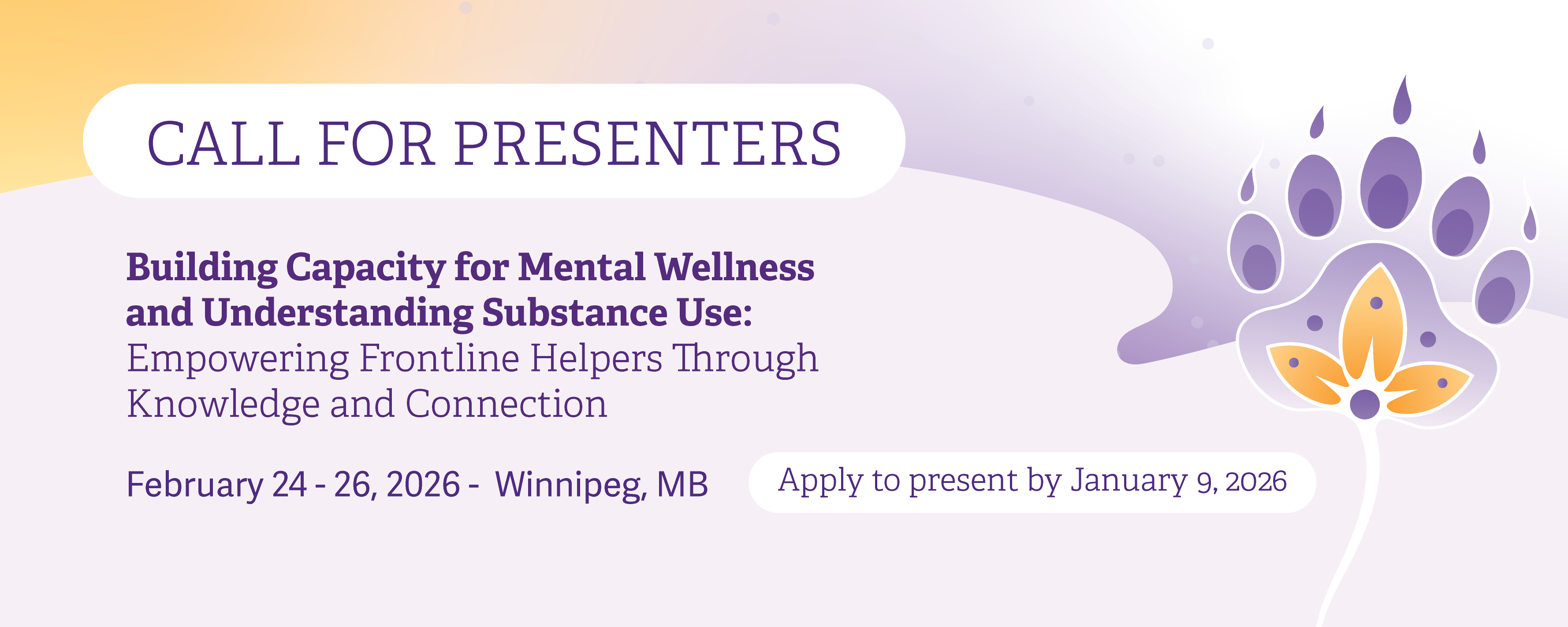
Building Capacity for Mental Wellness and Understanding Substance Use: Empowering Frontline Helpers Through Knowledge and Connection
February 24 @ 9:00 am – February 26 @ 5:00 pm
The Community Wellness Training Team at Nishnawbe Aski Nation is accepting applications for facilitators to deliver engaging, interactive workshops or presentations at the Building Capacity for Mental Wellness and Understanding Substance Use Gathering.
🗓️When: February 24–26, 2026
📍Where: Hilton Winnipeg Airport Suites in Winnipeg, MB
We are seeking sessions that provide training, professional development, and hands-on learning focused on strengthening and supporting mental wellness, building practical skills, and fostering meaningful connections, while also enhancing frontline workers’ understanding of substance use in NAN First Nations.
Application Deadline: January 9, 2026
Workshop Considerations
Session Duration: 2-hour sessions, half-day sessions (3–4 hours), or full-day sessions (6–7 hours).
Session Format: Sessions may be delivered as facilitated breakout group discussions, hands-on learning experiences, or lecture-style presentations (including traditional teaching and PowerPoint presentations).
Target Audience: Sessions will be designed for approximately 40 delegates, primarily Crisis Response Coordinators, Health Directors, and Mental Health Workers.
Travel Logistics: Travel and accommodation costs will be covered; however, facilitators are responsible for arranging their own travel.
Selection Criteria
The conference organizers will evaluate all proposals based on these criteria:
- Relevance to conference theme
- Engagement and interactivity of format
- Presenter experience and expertise
- Practical value and takeaways for attendees
- Diversity of perspectives/topics
- Cost of Workshop
If selected, final presentations/ other materials due Friday, February 6, 2026
ALL selected presentations require the submission of an abstract and presenter bios for the conference program.
Supplementary Information for the Call out for Presenters/Facilitators
Objectives of the Gathering
Strengthen Transferable Crisis-Response Skills:
Equip Crisis Response Coordinators with practical, adaptable tools and approaches they can apply in a wide range of emergency and wellness situations within First Nations communities.
Foster Open Dialogue on Emerging Challenges:
Create space for participants to openly discuss current mental health, substance use, and overdose-related challenges, encouraging collaborative problem-solving and the sharing of community-driven solutions.
Identify and Overcome Barriers in Mental Health and Addictions Response:
Support participants in recognizing systemic, cultural, and practical challenges that affect mental health and addictions services in First Nations communities and explore culturally grounded strategies to address these barriers and enhance effective, community-driven care and support.
Promote Personal Wellness and Burnout Prevention:
Emphasize the importance of maintaining physical, emotional, mental, and spiritual well-being so front-line workers can remain effective, resilient, and grounded in their roles.
Enhance Skills for Supporting Individuals and Families Affected by Substance Use:
Strengthen participants’ ability to provide compassionate, culturally safe support to people directly experiencing substance use disorders, as well as their families, caregivers, and community members who are indirectly impacted.
Build Strong Networks and Partnerships:
Provide dedicated opportunities for participants to connect, exchange insights, and form collaborative relationships that can strengthen crisis response efforts across First Nations communities.
Session Themes to Consider
Holistic & Community-Led Mental Wellness
- Integrating traditional healing practices with Western wellness approaches
- Strengths-based approaches to supporting individual, family, and community well-being
- Land-based activities that nurture resilience, identity, and cultural connection
Understanding Substance Use & Promoting Wellness
- Harm reduction as a pathway to safety, trust, and wellness
- Culturally grounded education on substance use, wellness, and prevention
- Supporting individuals and families with compassion, connection, and dignity
Core Skills for Frontline Helpers
- Trauma-informed, culturally safe communication and relationship-building
- Supporting individuals through stress, grief, and change with care and confidence
- Practical tools for promoting calm, safety, and emotional regulation
- Strengthening collaboration and shared care within communities
Workforce Wellness & Sustainability
- Supporting emotional, mental, physical, and spiritual wellness among frontline workers
- Recognizing stress and compassion fatigue while building sustainable wellness practices
- Creating workplace cultures that prioritize care, balance, and mutual support
- Honouring boundaries while maintaining meaningful community engagement
Engaging Youth, Elders, and Knowledge Keepers
- Youth-led wellness initiatives and peer connection spaces
- Intergenerational learning that strengthens cultural continuity and belonging
- Elder- and Knowledge Keeper–guided teachings that support healing and wellness
- Traditional knowledge as a foundation for prevention and lifelong well-being
Reducing Barriers & Strengthening Community Capacity
- Addressing stigma and fostering open, respectful conversations about mental wellness and substance use
- Improving access to culturally grounded supports and community-based services
- Building local capacity through training, mentorship, and leadership development
- Navigating systems in ways that support long-term community wellness
Celebrating Community Wellness Stories
- Community-led wellness initiatives that inspire connection and hope
- Stories of prevention, resilience, and collective care
- Partnerships that strengthen culturally grounded mental wellness programming
- Local approaches that blend cultural teachings with effective wellness practices
Connection, Collaboration & Knowledge Sharing
- Building networks that support shared learning and mutual encouragement
- Sharing tools and resources that promote mental wellness across communities
- Community-to-community mentorship focused on growth, wellness, and sustainability
For more information, please contact
Shelley Fugere, Mental Health Training Officer
via email sfugere@nan.ca or via phone 807.700.4744
 Google Calendar